
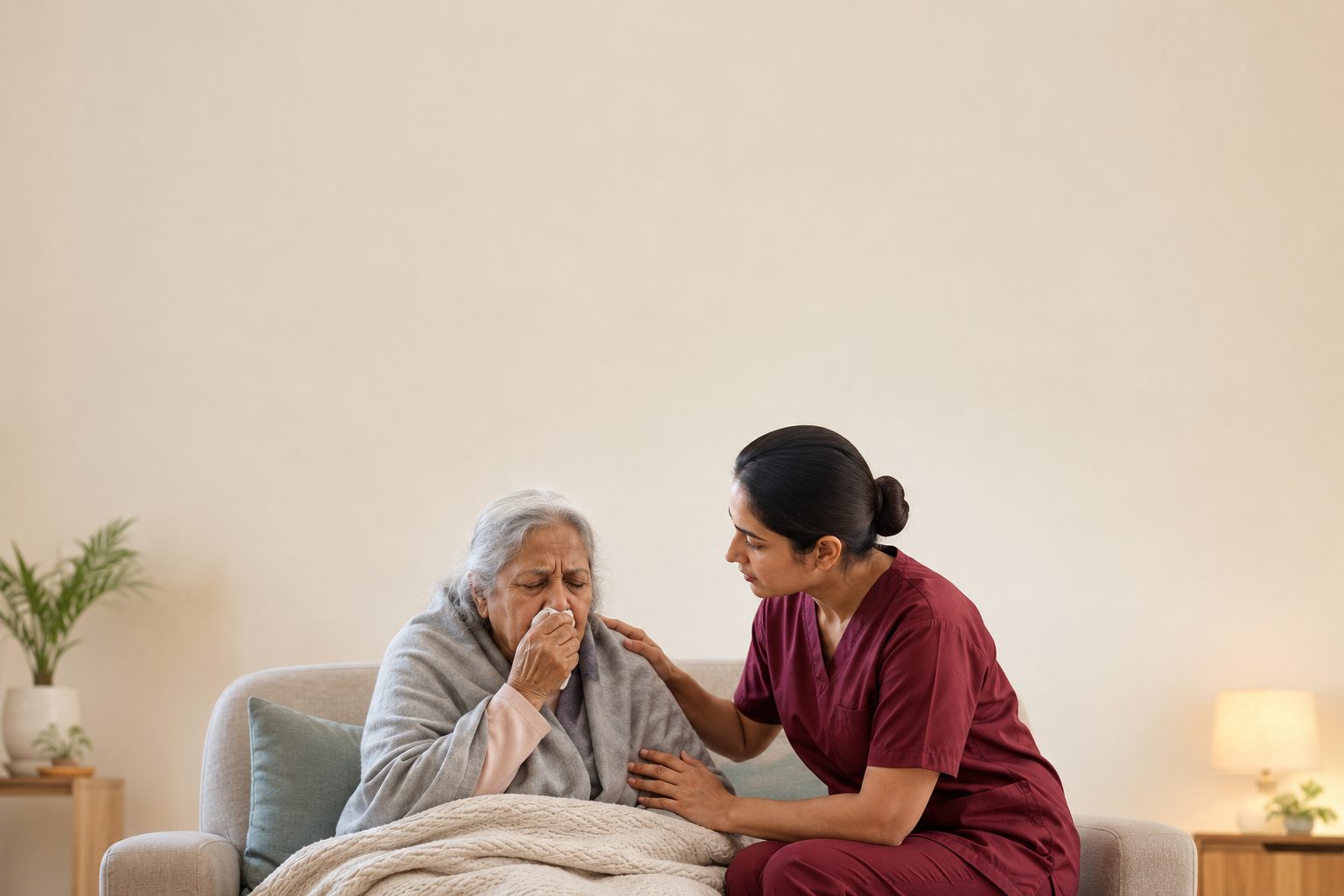
As seniors age, managing health conditions at home can sometimes require more than help with everyday activities. After surgery, hospitalisation or during long-term illness, seniors may need professional medical support that a family member or caregiver cannot safely provide.
Nursing care at home for seniors allows older adults to receive skilled nursing support in a familiar environment while staying connected to their families and regular routines.
What Is Nursing Care at Home for Seniors?
Home nursing for elderly patients involves a qualified nurse providing medical and supportive care at the patient’s home.
Depending on the individual’s needs, nursing care may include:
- Monitoring vital signs
- Administering prescribed medications
- Wound and dressing care
- Catheter care
- Feeding tube care
- Assistance with post-operative care
- Monitoring recovery after hospital discharge
- Supporting patients with chronic conditions
- Communicating important health changes to the family and doctor
The exact services depend on the patient’s medical condition and care plan.
When Does a Senior Need a Home Nurse?
1. After Surgery or Hospital Discharge
Seniors may need additional medical monitoring after returning home from surgery or a hospital stay. A nurse can help with prescribed care, monitor recovery and identify changes that may require medical attention.
2. When Wound Care Is Required
Patients with surgical wounds, pressure injuries or other wounds may require regular dressing changes and monitoring. Professional nursing support can help ensure that wound care is performed appropriately.
3. For Medication Management
Some seniors take multiple medications or have complex medication schedules. A nurse can provide medication support according to the doctor’s prescription and help monitor for concerns that should be reported.
4. When Medical Devices Require Care
Patients using devices such as urinary catheters or feeding tubes may require specialised care. A trained nurse can provide appropriate support and monitor for potential complications.
5. During Recovery From Serious Illness
Following a significant illness, seniors may remain weak or require ongoing clinical monitoring. Senior nursing care can provide professional support while the patient recovers at home.
6. For Chronic Health Conditions
Some older adults require regular monitoring because of long-term health conditions. Depending on the condition and doctor’s recommendations, a nurse may monitor vital signs, symptoms and treatment-related needs.
Home Nurse vs Caregiver: What’s the Difference?
A caregiver primarily helps with daily living and personal care, such as bathing, dressing, meals and mobility assistance.
A trained nurse provides professional nursing care, which may involve clinical monitoring, wound care, medication administration and other nursing procedures within their scope of practice.
Some seniors may benefit from both services. A caregiver can assist with daily activities while a nurse manages specific medical requirements.
What Are the Benefits of Nursing Services at Home?
Choosing nursing services at home can offer several advantages:
- Professional medical support in a familiar environment
- Reduced need for frequent hospital or clinic visits
- Monitoring during recovery
- Support with prescribed nursing procedures
- Greater involvement of family members
- More personalised attention
Home nursing does not replace emergency medical care. Sudden severe symptoms should always receive urgent medical attention.
What Should Families Check Before Choosing a Nurse?
When selecting a professional nurse at home, families should consider:
- Appropriate nursing qualifications
- Relevant clinical experience
- Experience with elderly patients
- Ability to manage the patient’s specific care needs
- Communication with the family and treating doctor
- Availability and care schedule
The nurse should work according to the patient’s medical plan and clearly communicate any concerning changes.
Nursing Care for Seniors at Antara
At Antara, home nursing support is designed around the senior’s individual health and care requirements. Qualified nursing professionals can provide appropriate nursing services at home, including clinical monitoring and assistance with prescribed care.
Depending on the patient’s needs, nursing can also be coordinated with caregiver support, physiotherapy and other healthcare services to create a more comprehensive home-care plan.
The goal is to help seniors receive professional, dependable care while remaining in the comfort of home.
Conclusion
Nursing care at home for seniors can be valuable when an older adult requires professional medical attention beyond routine caregiving. Whether the need is related to post-operative recovery, wound care, medication support, medical devices or ongoing health monitoring, a trained home nurse can provide appropriate assistance.
Choosing the right level of home nursing for elderly patients can help families manage recovery and ongoing care more confidently while allowing seniors to remain in a familiar environment.

